Click to download now, finish the installation quickly, and directly unlock the "all-round experience"
Screenshots
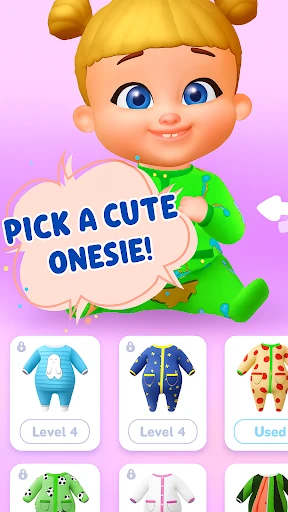
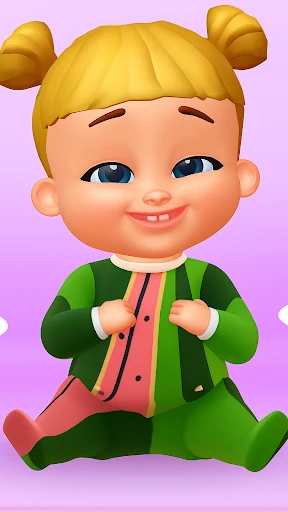
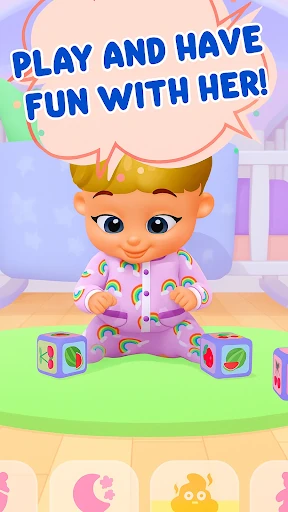
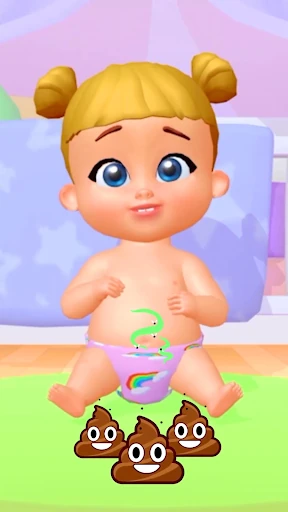
Click to download now, finish the installation quickly, and directly unlock the "all-round experience"
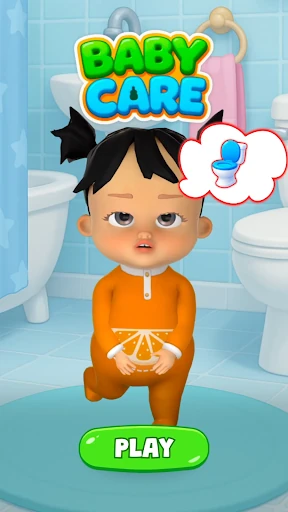
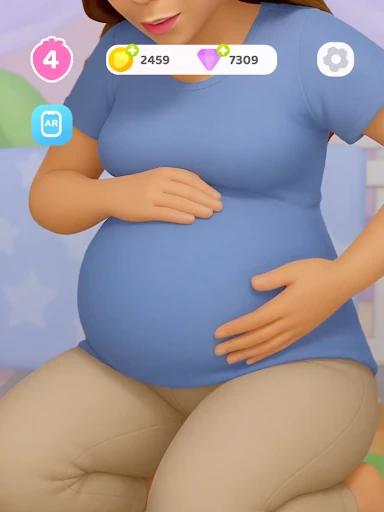
My Baby Care Toddler Girl Game presents an interesting niche within the Educational category. Rather than targeting children for direct learning, it serves as a preparatory simulation tool for expectant and new parents. In a crowded market of toddler-titled apps, this app strategically repurposes a familiar "baby care" gaming format into a medium for delivering foundational parental guidance. It aims to build user confidence through interactive scenarios that translate to real-world child care skills.
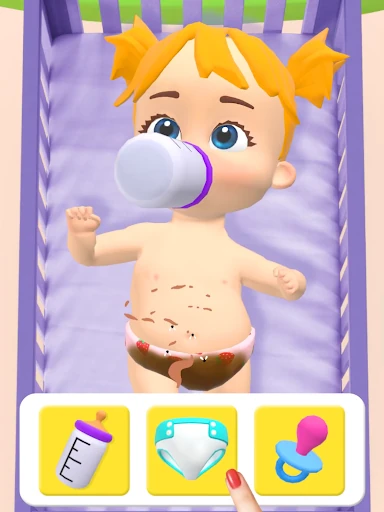
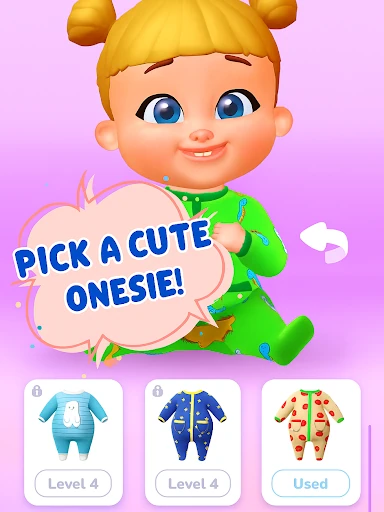
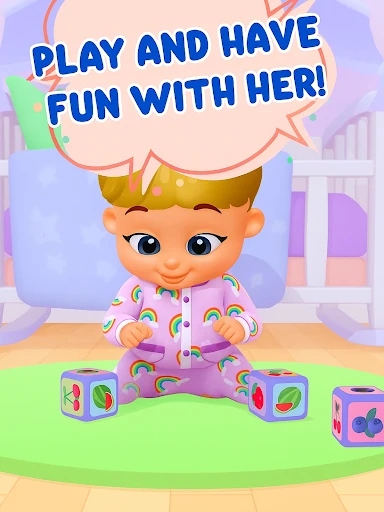
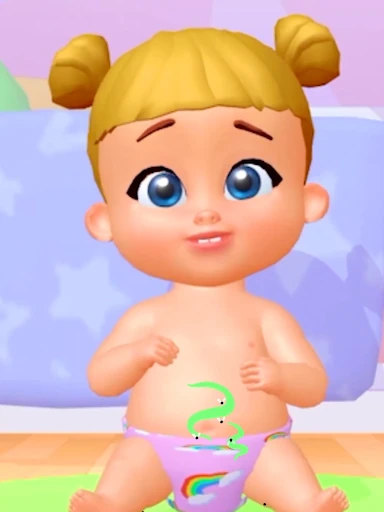
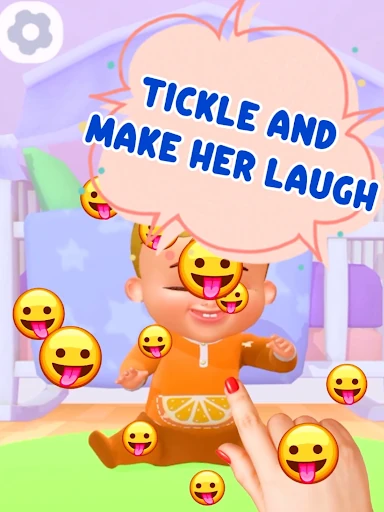
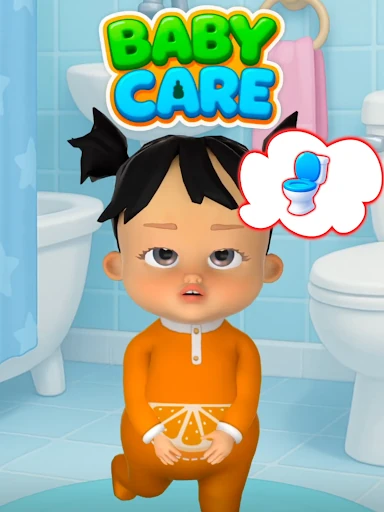
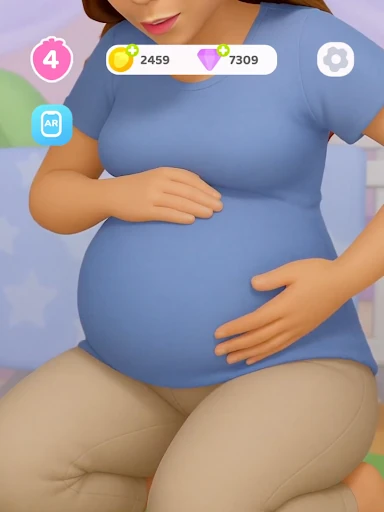
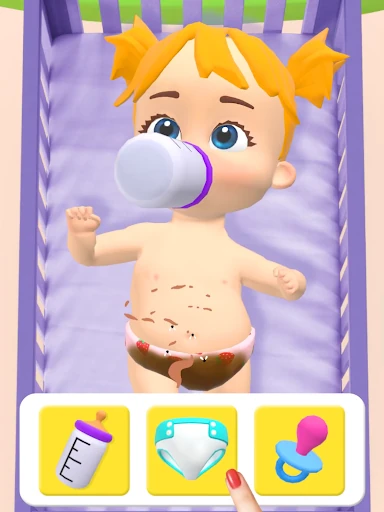
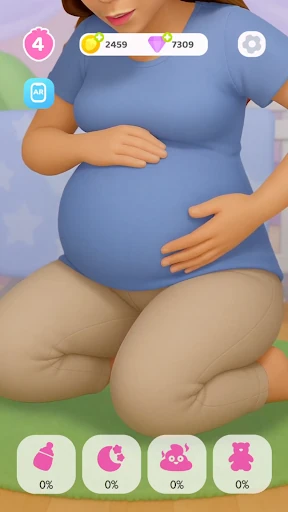
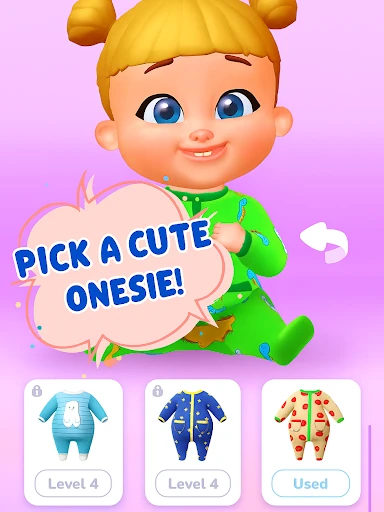
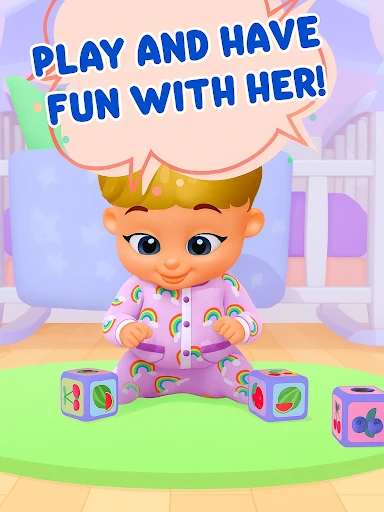
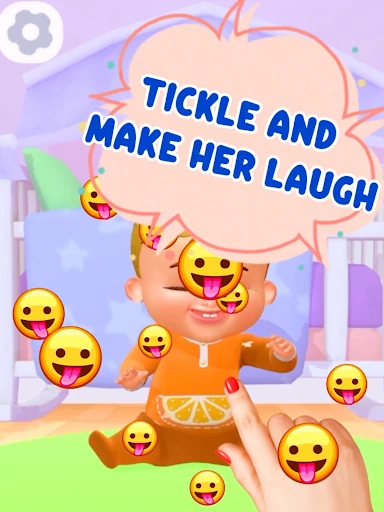
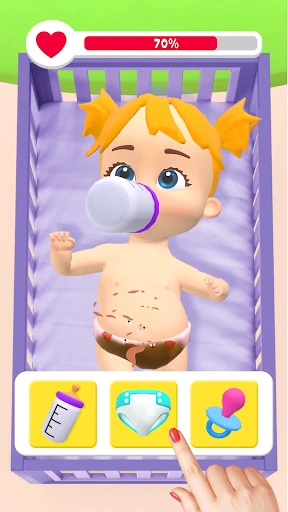
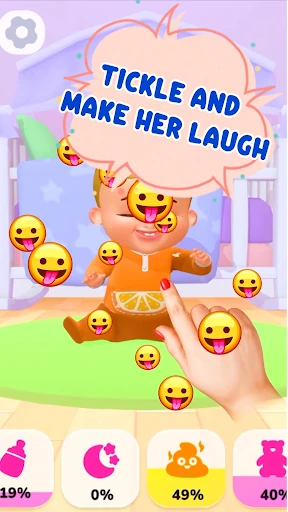
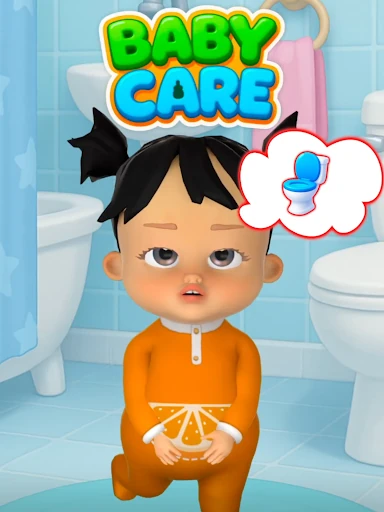
Based on its description and category standards, the interface likely employs a bright, colorful, and highly intuitive design characteristic of casual simulation games. This choice lowers the barrier to entry, making potentially overwhelming information feel approachable. For an educational tool of this nature, success hinges on clear iconography, simple drag-and-drop or tap mechanics for care activities, and a clutter-free layout that prioritizes the core task flow. The UX must seamlessly weave educational tips into the gameplay without interrupting the simulation, a balance critical for maintaining engagement and achieving its pedagogical goals.
Future updates could significantly enhance value by introducing a "Challenge Mode" with common but tricky real-life scenarios (e.g., soothing a fussy baby, managing a diaper blowout on the go). Incorporating a light social or community aspect, like sharing safe, anonymized tips or achievements, could foster a support network. Furthermore, differentiating its branding from children's games through a subtitle or app icon redesign would immediately clarify its unique value proposition to the correct target audience.
This app is specifically for expectant parents, new caregivers, or individuals curious about the fundamentals of infant care who benefit from interactive, hands-on learning styles. It is not designed for toddlers. As a senior analyst, the verdict is that My Baby Care Toddler Girl Game is a clever and useful niche tool that effectively uses gamification to demystify early parenting tasks. It is recommended for its intended audience seeking a low-pressure, engaging way to build foundational confidence, with the caveat that it should be viewed as a supplementary practice tool alongside more comprehensive educational resources.