
Click to download now, finish the installation quickly, and directly unlock the "all-round experience"
Screenshots
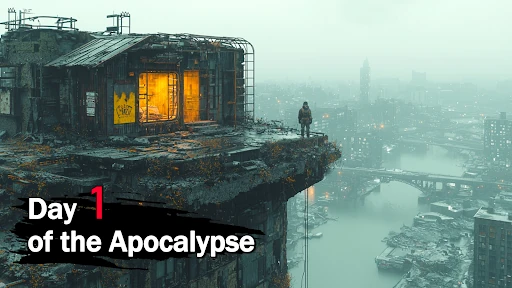
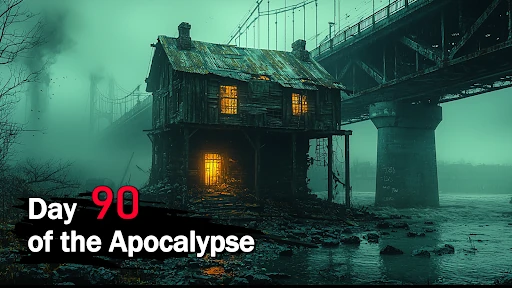


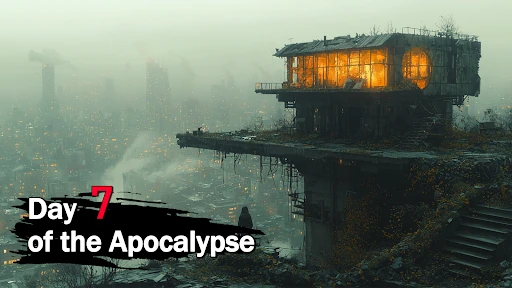
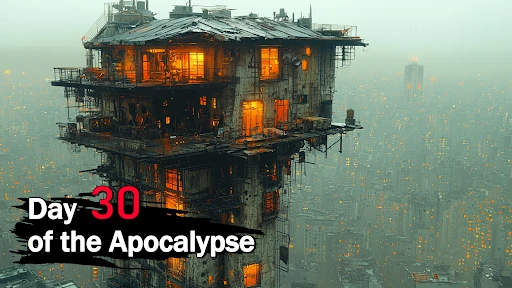
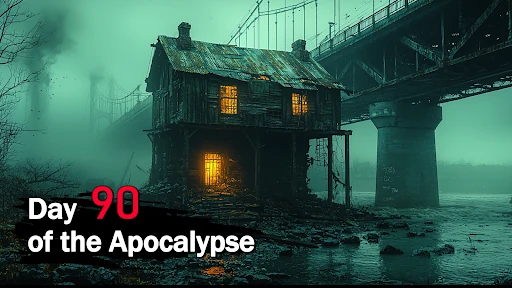


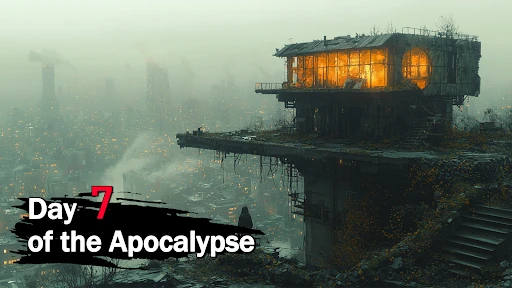
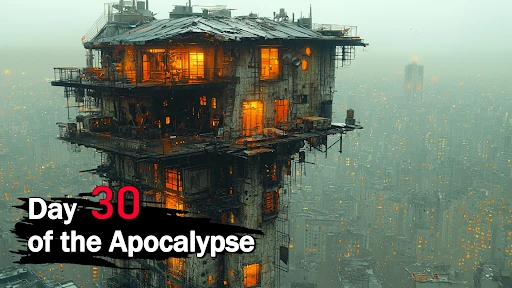
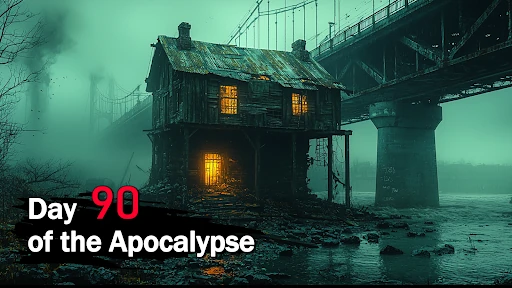


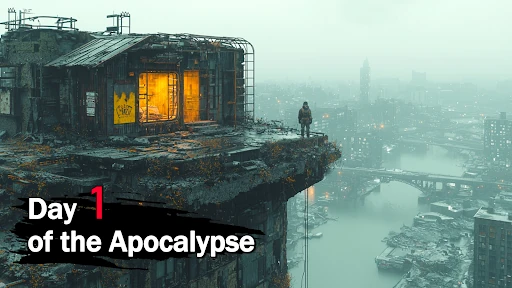
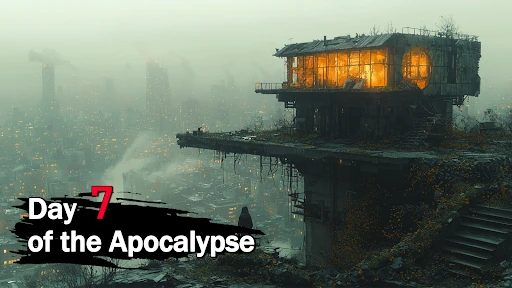
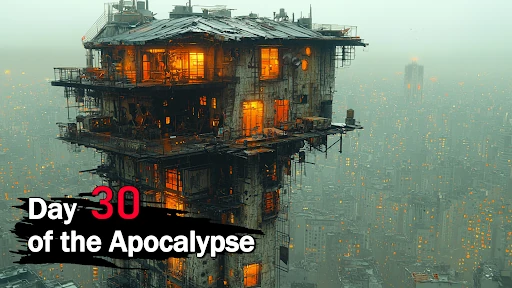
Click to download now, finish the installation quickly, and directly unlock the "all-round experience"
Dark War Survival positions itself solidly within the crowded strategy-survival genre on mobile, focusing on long-term base management and community simulation within a zombie apocalypse framework. It differentiates itself by emphasizing the "shelter leader" fantasy, tasking players with systemic oversight of survivor well-being, job allocation, and strategic expansion, rather than purely reactive combat. This elevates it from a simple tower defense game to a more holistic city-builder with survival stakes, appealing to players who enjoy managing complex, interlocking systems under pressure.
The UI, as inferred from the genre standards, is likely dense with menus, progress bars, and upgrade trees—a necessary complexity for a deep strategy game. Success hinges on how intuitively this information is presented. A clear visual hierarchy, easily accessible survivor management screens, and a coherent map for exploration are critical. The UX must smoothly guide players from micro-management (individual survivors) to macro-strategy (alliance wars), minimizing friction in switching contexts. The use of visual theming (rustic, post-apocalyptic) needs to enhance, not obscure, gameplay clarity.
Future updates should focus on deepening the consequence of management decisions. Introducing survivor personalities or skill trees that make job assignment more strategic than just filling slots would add depth. Enhancing the alliance system with shared alliance goals, territory control on a world map, or specialized roles within the alliance (e.g., trader, scout) would strengthen the social fabric. Additionally, dynamic world events that temporarily alter resource availability or zombie behavior could keep the late-game environment unpredictable and engaging.
Dark War Survival is recommended for strategy enthusiasts who enjoy the logistical challenge of base-building and population management, particularly within a persistent survival context. It is less suited for players seeking fast-paced action or a purely narrative-driven experience. Its success with a player will depend heavily on their appetite for micromanagement and their engagement with the social alliance features. For the right audience, it offers a compelling and multifaceted strategic challenge in a popular apocalyptic setting.