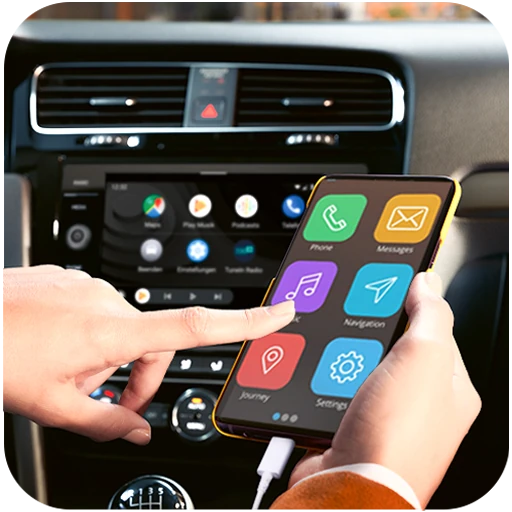
Click to download now, finish the installation quickly, and directly unlock the "all-round experience"
Screenshots
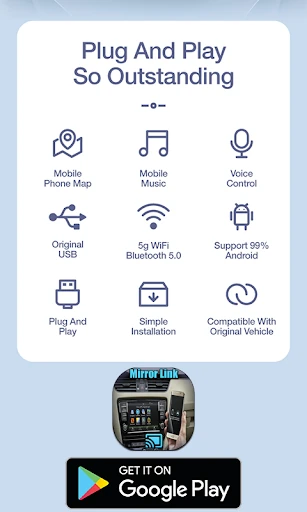
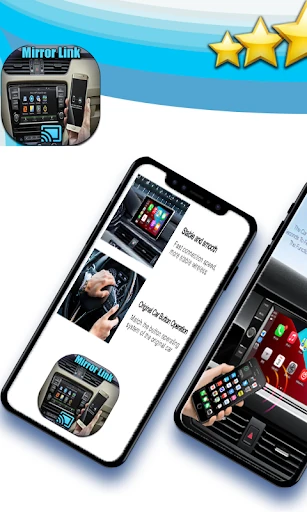
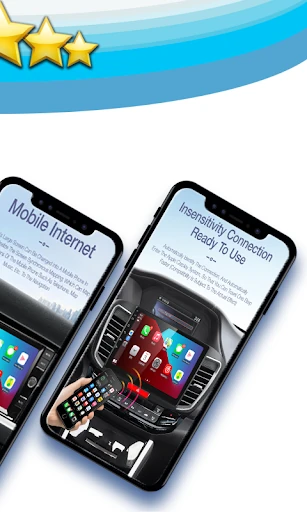
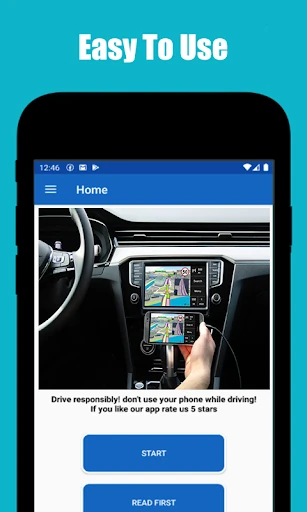
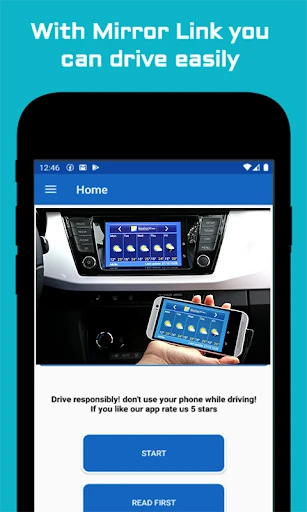
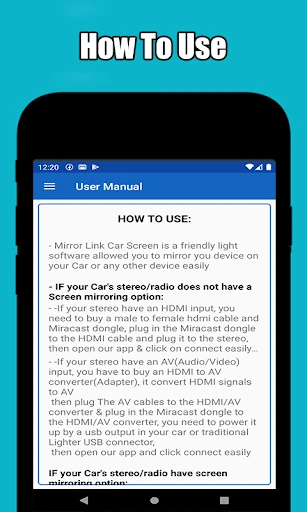
Click to download now, finish the installation quickly, and directly unlock the "all-round experience"
Mirror link car connector presents itself as a utilitarian tool within the Libraries & Demo category, promising to simplify the process of wirelessly mirroring an Android device's screen to a vehicle's display. The core proposition centers on enhancing driver convenience and safety by removing the need for cables and automating media playback during connection events. This analysis will assess its value proposition, user experience, and viability within its intended niche.
As a Libraries & Demo app, the primary expectation is functional clarity rather than premium aesthetics. The described "Easy to use" claim suggests a minimalist interface focused on a primary action (connecting). However, a successful UX for this task would require robust, reliable Bluetooth or Wi-Fi Direct connection protocols and clear, step-by-step user guidance to handle the often complex pairing between diverse car systems and Android versions, which is not evident from the description alone.
To increase its effectiveness and user trust, the next iteration should include a detailed, in-app compatibility guide or list of tested car models. Implementing clearer visual feedback during the connection process (e.g., connection status, troubleshooting tips) would greatly enhance the UX. Furthermore, expanding automation beyond music to potentially handle navigation apps or calls would significantly increase its utility.
This app is for Android users with vehicles that support screen mirroring and who value a cable-free, potentially safer car environment. It is best suited for tech-savvy individuals willing to troubleshoot connectivity for the payoff of automation. While the core idea is sound, its execution and reliability are the decisive factors. Users should approach it as a promising demo tool with potential, rather than a guaranteed plug-and-play solution.